
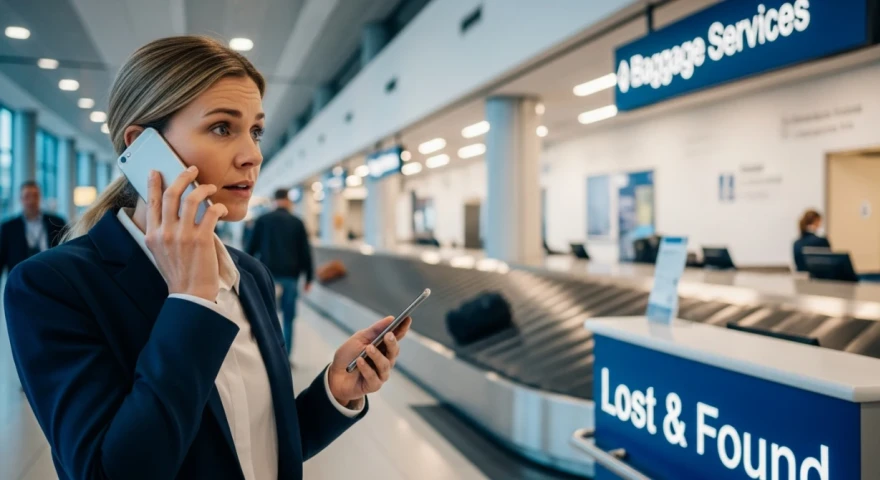
What to Do If Your Luggage Is Lost or Delayed at the Airport: A Clear Action Plan
Report the missing bag before leaving the airport, get the file reference, verify the description, and save receipts for essentials. Clear documentation gives you the best chance of fast tracing and delivery.
The biggest mistake happens in the first ten minutes. Travelers leave the baggage area too early, call the airline later, and then realize they never filed the airport report that starts the tracing process.
If you are dealing with lost or delayed luggage at the airport, act before you leave the arrivals zone unless staff specifically direct you elsewhere. That one decision affects how fast your bag is traced, whether delivery can be arranged, and how easy it is to document essential expenses.
Air travel is full of tight connections, gate changes, and rushed transfers, so baggage delays are not rare during busy periods. The practical move is simple: confirm your bag is truly missing, file the report on the spot, keep every reference number, and create a clean paper trail from minute one.
🧭 When this workflow applies, and when it does not
Use this process when your checked item does not arrive on the carousel, arrives much later than expected, or shows up damaged enough to affect use. Do not start with claims paperwork alone. Start with tracing and formal reporting first.
- Use this workflow now: Your checked case is missing, sent to another airport, stuck in transfer, or delayed until a later flight.
- Use a modified version: Your bag arrived but is damaged. You still need the baggage service desk and documentation, but the remedy path is different.
- Do not rely on this alone: Items left at security, on the plane, or in the terminal often go through a separate lost property process rather than baggage tracing.
- Do not wait at home first: If you have not filed the airport report, you are missing the most important first record.
🧳 What to prepare before you speak to the baggage desk
You will get better results if you can identify your case quickly and precisely. Staff usually need your baggage tag, flight details, address for delivery, and a clear description that separates your bag from dozens of similar black suitcases.
If your phone is low or you are flustered, write the essentials in one note before you join the line. That reduces mistakes when the agent enters the tracing record.
- Required inputs: Boarding pass, baggage claim tag, passport or ID, flight numbers, and your local destination address.
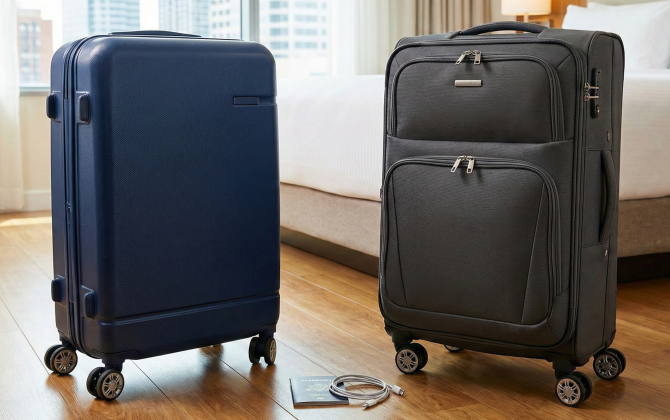
- Best bag description: Color, size, shell type, brand if visible, unique stickers, strap, cover, or tag.
- Proof support: A recent photo of the case packed and zipped is useful if the description is disputed later.
- Optional accelerators: A luggage tag, bright cover, or strap makes the bag easier to identify in tracing systems and on later delivery.
Before leaving the airport, ask for the missing-bag report number, confirm the delivery address, and verify the bag description line by line.
Typical baggage desk guidance
✈️ Step-by-step: what to do at the airport
The correct order matters. First verify the delay, then report it in person, then secure written proof, and only after that move to follow-up and expense tracking.
Step 1. Confirm the bag is actually missing
Wait until the carousel has clearly finished unloading for your flight. Check the screen, ask whether bags from your route were moved to another belt, and scan nearby oversize or offload areas if airport staff suggest it.
Step 2. Go straight to the airline or baggage service desk
Do this before leaving the secure arrivals workflow if possible. Tell the agent whether the bag is delayed, missing after connection, or not loaded at origin.
Step 3. File the report and review every detail
Ask the agent to show you the description entered into the system. A vague record like “black suitcase” is weak. “Medium hard-shell black case with blue strap and yellow tag” is much easier to trace correctly.
- Provide documents: Hand over your claim tag and boarding pass first so the flight record matches the bag record.
- Describe the case precisely: Include cover, strap, scuffs, stickers, and any standout handle wrap.
- Add destination details: Give the hotel, home, or temporary stay address with a working phone number.
- Request the file reference: Do not leave without the report number or written confirmation.
- Ask about next contact timing: Get a realistic follow-up window so you know when to check again.
Step 4. Ask how delivery works if the bag is found
Many travelers forget this and later lose hours arranging collection. Confirm whether the bag will be sent to your address, held at the airport, or moved to another baggage office.
Step 5. Keep receipts only for essentials
If the delay forces you to buy basic replacement items, store every receipt in one place. Keep spending reasonable and tied to immediate need, such as toiletries or a change of clothes, because vague or excessive purchases are harder to support later.
🔎 How to verify the report was filed correctly
A successful report is not just “submitted.” It should be specific, traceable, and usable by the next agent without you repeating the whole story.
| Check | Good sign | Warning sign |
|---|---|---|
| Reference number | You received a report code in writing | You only got verbal reassurance |
| Bag description | Includes size, type, color, and unique identifiers | Only says “black bag” or “suitcase” |
| Delivery details | Address and phone were entered and read back | Agent says to “call later” without confirming location |
| Status guidance | You know when and how to follow up | No timeline was provided |
| Expense record | You saved receipts for basic necessities | You bought items without documentation |
Before you walk away, read the printed or emailed confirmation yourself. If anything is missing, ask for correction immediately while the file is still open in front of you.
🚧 Fallback paths if a step fails
Sometimes the desk is closed, the line is chaotic, or the agent gives incomplete answers. You still need a record and a clean chain of follow-up.
- If the desk is closed: Use the airline’s official reporting channel shown at the airport, then return or call as directed to confirm the trace file exists.
- If you lost the baggage tag: Give the flight details, seat if known, route, and a very detailed bag description. A photo helps here.
- If the report looks wrong: Request correction before leaving. If that is impossible, contact the airline the same day and note the time and name of the person you spoke with.
- If the bag is urgent: Explain why, but stay factual. Staff can note priority context, such as medication stored in the case, though you should never pack critical medicine in checked baggage.
- If the bag is found in another city: Confirm whether it will be forwarded automatically or requires a new delivery instruction.
- If the delay stretches on: Keep all written updates and avoid closing the matter informally until the item is back in your possession.
🛠️ Practical recommendations that make recovery easier
These are the small choices that reduce confusion when a bag goes missing and speed up identification later. They matter most before travel, but they still help if you are planning your next trip after a rough airport experience.
- Add visible identifiers: A suitcase cover, bright strap, or distinctive tag makes a plain case easier to spot on the belt and in tracing records.
- Photograph the packed case: Take one photo of the outside and one of the inside before departure. It helps with identification and contents discussions.
- Keep basics in your cabin item: Put one day of clothing, medication, chargers, and essential documents in your hand baggage.
- Use organizers: Clothes organizers keep items sorted, which helps if you need to describe contents quickly or repack after recovery.
- Weigh before departure: A suitcase scale lowers the chance of last-minute check-in reshuffling that can separate tags, straps, or attachments.
For future trips, practical luggage accessories can reduce confusion more than people expect. A tag, cover, organizer set, scale, and lock each solve a different failure point: identification, protection, order, check-in control, and basic security.

🎒 What to carry next time so a baggage delay hurts less
You cannot prevent every delay, but you can reduce the impact. The best backup setup is a compact personal item that holds one day of essentials and keeps them easy to reach during a disrupted journey.
| Item type | How it helps during a delay | What to look for |
|---|---|---|
| Clothing organizers | Separates clean items and speeds repacking after recovery | Multiple compartments for categories |
| Suitcase cover | Protects the exterior and makes the case easier to identify | Distinctive appearance and secure fit |
| Luggage tag | Supports faster ownership confirmation | Clear contact details |
| Suitcase scale | Helps avoid rushed repacking at check-in | Compact size for travel use |
| Hand-luggage organizer | Keeps documents, gadgets, and toiletries accessible | Quick access layout |
Well-chosen travel accessories are not just comfort items. They help you move faster at the desk, describe your property more accurately, and stay functional while the airline traces your case.
If you prefer a compact backup personal item, the bags collection includes travel-ready options designed for everyday use and trips, including crossbody styles and backpacks. That matters when you need a second carry solution for documents, chargers, and a clean change of clothes.
📍 Two realistic airport scenarios
Examples make the decision points clearer. These outcomes are typical of how the process works when details are handled well versus poorly.
Late-night arrival after a connection
A traveler lands after a short transfer and does not see the checked case on the belt. Instead of leaving for the hotel, they file the report immediately, provide the baggage tag, show a phone photo of the case with a blue strap, and confirm hotel delivery details. The trace file is specific, and once the bag reaches the airport on a later flight, delivery can be arranged without another argument about identification.
Bag delay with weak documentation
Another traveler leaves the airport assuming the case will “show up tomorrow.” They have no report number, no checked-bag tag photo, and no exact description beyond “large black suitcase.” The next day turns into a longer support loop because the tracing record started late and the description does not separate that case from many others.
⚠️ Common mistakes that slow recovery
Most baggage problems get worse because of preventable errors, not because the trace system is impossible. Fixing these habits gives you a cleaner path from missing item to delivery.
- Leaving the airport too soon: The first report should usually be filed before you exit arrivals.
- Accepting vague wording: Generic bag descriptions create avoidable confusion.
- Throwing away tags: The claim tag is one of the strongest identifiers in the process.
- Buying too much without receipts: Keep purchases limited to immediate basics and document them.
- Packing all essentials in checked baggage: Your medication, valuables, and must-have electronics belong in the cabin item.
🧠 Adjacent questions worth solving before your next trip
People who deal with a delayed case usually start improving the rest of their packing system right away. The next gains usually come from better labeling, smarter carry-on planning, and a more organized personal item.
That is where suitcase accessories and well-planned cabin storage start earning their place. A cover or strap helps with identification, while better organization reduces the cost of a one-day separation from the checked case.
For travelers rebuilding their setup, travel bags and accessories work best when each item has a clear job. One bag for essentials, one visible identifier on the checked case, and one organizer system inside the case is usually enough.
✅ Conclusion
If your checked case does not appear, treat the first airport report as the priority, not an optional admin step. Get the file number, verify the bag description, confirm delivery details, and keep receipts for necessary replacement items only. Clear documentation speeds tracing and reduces friction if the delay lasts longer than expected. For future trips, a better-organized carry setup and visible bag identifiers can make the next disruption much easier to manage. If you want to improve your travel setup, threebirds offers practical options built around organized, everyday travel.
Should I leave the airport before reporting a missing checked bag?
No. In most cases, you should file the report before leaving the arrivals area so the tracing process starts immediately.
What details help staff identify my bag faster?
The best description includes size, shell type, color, and unique markers such as a strap, cover, sticker, or tag.
What should I keep after filing the report?
Hold onto the file reference, baggage tag, boarding pass, and receipts for essential replacement purchases.
Are clothes organizers useful if my bag is delayed?
Yes. They make it easier to describe what was packed and help you repack quickly once the case is returned.
Why does a suitcase cover or bright strap matter?
It makes a common-looking case easier to identify on the carousel and in tracing records, especially when many bags are similar.
What belongs in my cabin item in case my checked bag is delayed?
Keep medication, documents, chargers, and at least one change of clothes with you so the delay does not disrupt the first day of your trip.
Is a recent photo of my luggage actually useful?
Yes. It gives staff a more reliable visual reference than a generic verbal description, especially if your claim tag is missing.
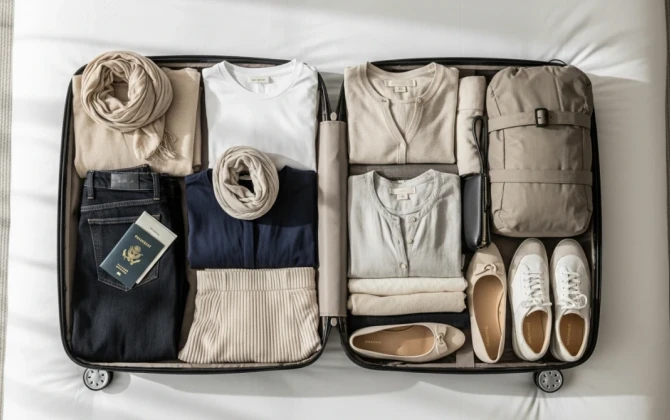 How to Build a Capsule Wardrobe for Travel That Works Anywhere in the World
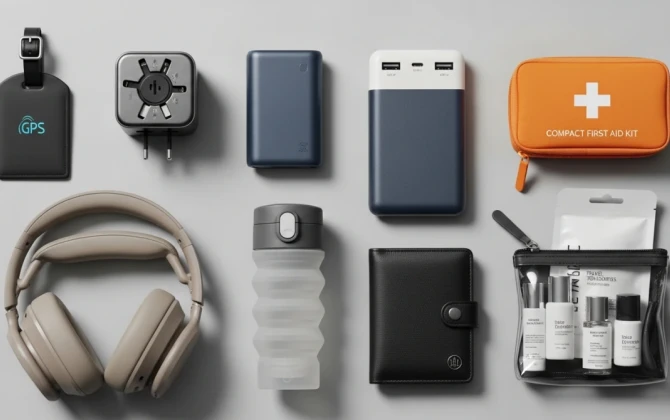 Travel Accessories Worth Packing in 2025: Essentials That Truly Upgrade Every Trip