
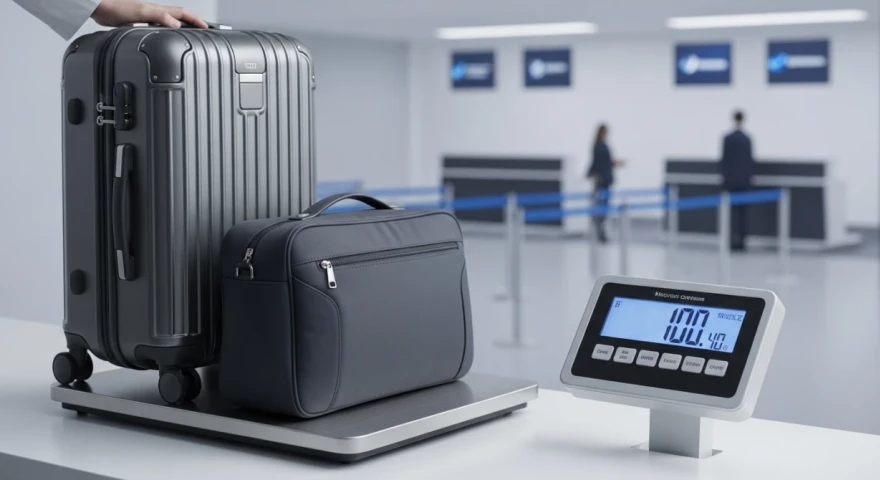
Luggage Weight Limits by UK Airline in 2025: Practical Rules, Fees, and Avoiding Airport Stress
UK airlines differ sharply on cabin weight and bag size. Match your suitcase and ticket type to each carrier’s 2025 rules, use a light case, weigh at home, and fully exploit your personal item.
You do everything right when you pack, then the check-in agent quietly lifts your bag onto the scale and you are suddenly paying more for extra kilos than you paid for your seat. The problem is almost never the scale. It is the small print: different UK airlines include very different weights in the price of your ticket, especially for cabin bags. As we move into 2025, the gap between what looks “fine” at home and what is actually allowed at the airport is getting wider, not smaller, so the only realistic way to avoid fees is to match what you pack to each airline’s exact rules.
This guide breaks those rules down into clear limits you can check against your own bag before you leave home, so you can travel light on stress, not just on kilos.
✈️ Core cabin weight limits for major UK airlines in 2025
Most surprises at the airport start with hand luggage, not checked bags. Below is a side by side view of the main UK and UK-focused airlines and what you can expect to bring into the cabin on a standard ticket in 2025 based on current published policies.
| Airline | Main free cabin item | Max size (cm) | Max weight | Personal item |
|---|---|---|---|---|
| British Airways | Main cabin bag | 56 × 45 × 25 | Up to 23 kg (combined with personal item) | Yes, up to 40 × 30 × 15 cm |
| Jet2 | Hand luggage | 56 × 45 × 25 | Up to 10 kg | Yes, small item under seat |
| Ryanair | Small personal bag only | 40 × 25 × 20 | Not specified, must be easy to lift and fit | Included as main item |
| EasyJet | Under-seat cabin bag | 45 × 36 × 20 | Not specified, must fit under seat | Included as main item |
Two things matter here: what is included for free and what counts as an “upgrade” that you must pay for. With low-cost carriers, the cheap ticket often includes only a very small bag under the seat. Anything close to a regular cabin suitcase usually requires an extra purchase.
📦 Free vs paid cabin options: eligibility by ticket type
Whether you can take a full-size cabin case, and how heavy it can be, depends not just on the airline but on the kind of ticket or add-on you choose. That is your real “eligibility” for larger bags.
| Airline | Included with basic fare | When you qualify for a larger cabin bag |
|---|---|---|
| British Airways | One main cabin bag plus one personal item, combined up to 23 kg | All standard economy tickets include this; you do not need a separate cabin-bag add-on |
| Jet2 | One cabin bag up to 10 kg plus small under-seat item | Everyone on a standard ticket gets this allowance |
| Ryanair | Only one small under-seat bag (40 × 25 × 20 cm) | Purchase “Priority & 2 Cabin Bags” for an extra 10 kg cabin bag (55 × 40 × 20 cm) |
| EasyJet | One under-seat bag (45 × 36 × 20 cm) | Pay for a larger cabin bag option to bring a case up to 56 × 45 × 25 cm |
On British Airways and Jet2, most standard tickets already allow what travelers think of as a normal cabin suitcase, with clear weight limits. On Ryanair and EasyJet, the same suitcase will only be allowed if you actively buy the right upgrade before you travel.
Airline cabin policies change, but the pattern is consistent. You pay less for the ticket, you usually get less built-in cabin space and lower or undefined weight limits.
🧾 Eligibility and limits: who “qualifies” for which bags
You do not “apply” for baggage rights in the way you apply for a visa, but you are effectively accepted or rejected at the gate depending on how well your bags match your ticket type. Thinking in terms of eligibility helps avoid mistakes.
Who qualifies for a full-size cabin case
British Airways passengers: Anyone with a standard economy ticket can bring one larger cabin bag plus a personal item, as long as their combined weight stays within 23 kg and sizes stay inside the limits. This is generous, but the scale still matters if you pack heavy electronics or books.
Jet2 travelers: All standard passengers qualify for one cabin bag up to 10 kg with the usual 56 × 45 × 25 cm limit. That is enough for a compact hard or soft cabin case plus a light under-seat item.
Ryanair and EasyJet flyers: On the cheapest fares, you only qualify for a small under-seat bag. A typical cabin suitcase will not meet the rules unless you add the paid cabin option for your booking.
Who does not qualify and is likely to pay extra
- Passengers with basic Ryanair or EasyJet fares: If you arrive with a wheeled cabin suitcase but did not buy Priority or the larger cabin option, the airline can charge you at the gate and put the bag in the hold.
- Travelers using older, heavier luggage: An older suitcase can weigh several kilos empty. That eats into your allowance on airlines with clear weight caps like Jet2.
- People mixing up airlines: Assuming that what worked on British Airways will be fine for Ryanair is one of the fastest routes to unexpected fees.
Requirements, limits, and constraints you must meet
- Size compliance: Your bag must fit within the airline’s stated dimensions including wheels and handles. A cabin case that is a few centimeters over can be refused or sent to the hold.
- Weight control: Jet2 and British Airways publish specific weight rules. At check in, your luggage must be at or under those numbers, not “roughly close.”
- Number of items: Even if each item is featherlight, exceeding the number of bags your ticket allows can lead to charges.
- Self-lift rule: Airlines that do not specify exact cabin weight still expect you to lift the bag safely into the overhead bin. If staff see you struggling, they can decide it is too heavy.
What to prepare before you pack
Before you start filling a suitcase, match your trip to an airline and ticket type, then prepare three things: the right case, the right accessories, and a reliable way to weigh everything.
- Choose a light case: A modern polycarbonate cabin case from the Suitcases range at threebirds keeps the empty weight low so more of your allowance can go to your clothes and tech.
- Plan your personal item: A compact laptop or day backpack, such as the Bange 6801 series or BG7529, fits well as a personal item and helps you move heavy electronics out of the main cabin bag.
- Organize the interior: Packing cubes and organizers for clothes help you split items into categories and see what is adding weight without digging through the whole case.
- Weigh in advance: Use a simple suitcase scale at home. It is more accurate than trying to guess from how “heavy it feels.”
Step-by-step: setting up your luggage to pass airline checks
- Confirm your airline and ticket rules: Check your booking and note what is included as standard, especially whether a larger cabin case is already allowed or needs to be added.
- Pick the right size bag: Choose a cabin case whose maximum side lengths sit a little under your airline’s size box. For example, for a 56 × 45 × 25 cm limit, pick a case with a touch of margin instead of one that is right at the edge.
- Lay out items by weight: Put all heavy things together on a table: shoes, jeans, chargers, liquids, gadgets, books. Pack the lighter clothes later.
- Load and weigh halfway: Pack the heavy items, then weigh the bag. Check against your allowance and keep a note. This prevents overpacking with “just one more thing.”
- Distribute weight: Move dense items like laptops into your personal bag if that item has spare capacity under the rules, especially on British Airways where the combined weight is what matters.
- Pack final layers and re-weigh: Add lighter items, stop at 0.5–1 kg under your limit to allow for scale variations at the airport, and write the final number on a note in your phone.
- Do a size and fit check: Make sure the case closes easily and still fits in a rough box made from tape or a doorframe that approximates the airline’s size cage.
Typical “rejection” reasons at the airport
Airlines do not call it rejection, but if your bag fails these checks, you will either pay fees or be told to repack. Use this as a readiness checklist before leaving home.
- Wrong ticket for your bag: Arriving with a wheelie case on a Ryanair or EasyJet basic fare without the larger cabin add-on is the most common problem.
- Heavy but small bag: Under-seat bags stuffed with books, liquids, or spare shoes can look fine but weigh far more than expected when airlines do spot checks.
- Old, bulky luggage: Thick shells, rigid handles, and heavy frames quickly eat into weight limits, especially the 10 kg cap on Jet2.
- Too many items: A suitcase, a laptop bag, a handbag, and a shopping bag may slip through in quiet times but can be enforced strictly on busy flights.
If you can clearly answer “yes” to these questions, you are usually in good shape: does your bag fit under the published size limit, is it under the stated weight, and does that number of items match what your ticket allows.
🧳 Choosing the right luggage for strict weight limits
When airlines charge for every extra kilo, the materials and design of your luggage start to matter as much as what you pack inside. Dropping just 1–2 kg from the empty case can be the difference between paying and passing.
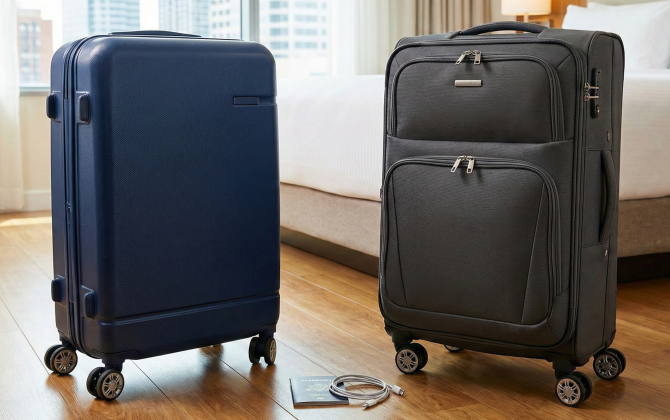
Lightweight hard shell cases, such as the Canary or Finch options in the threebirds cabin-friendly range, combine durable shells with a low empty weight. That means your clothes, not the case, use most of the allowance. Soft shell options like the Eagle series give you some external flexibility for squeezing into overhead bins while staying within dimension rules.
Organizers for clothes are not just about neatness. They help you keep heavier items grouped so you can shift one cube to your personal bag if your main cabin case creeps over the limit at the last minute.
How to effectively buy lightweight suitcase options
- Check the empty weight, not just the size: For a 10 kg cabin limit, an extra kilo in the case itself is 10 percent of your allowance gone before you start packing.
- Look for strong but thin shells: Polycarbonate or advanced plastics usually give better strength-to-weight balance than thick, older plastics or metal frames.
- Prioritize smooth wheels: Modern 4-wheel designs on quality cases roll more easily, so you do not overpack trying to “make it worth dragging.”
- Match size to airline cages: Cabin sizes from the threebirds range are designed around standard airline limits, which helps you stay inside 56 × 45 × 25 or smaller under-seat dimensions.
🎒 Using personal items and luggage accessories to your advantage
The personal item is often the most underused part of your allowance. Used well, it lets you keep your main case lighter and more compliant.
Backpacks like the Bange BG6800 or BG7529 from the Bags collection suit this role, since they carry laptops, tablets, chargers, and documents in a slim profile that fits under most seats. That keeps the dense electronics out of your main cabin bag where they would quickly push you over a 10 kg cap.
Smart luggage accessories also reduce both stress and weight-related surprises.
- Suitcase organizers: Separate clean and worn clothes and keep delicate items flat, so you use your space efficiently instead of wasting room and weight on messy layers.
- Protective covers: Thin covers prevent scuffs on hard shell luggage without adding noticeable weight, which matters when you are close to limits.
- Neck pillows, masks, and earplugs: Go for inflatable or compact designs that clip to your bag rather than bulky foam types that effectively become an extra item.
- Travel bottles: Pre-sized bottles stop you carrying far more liquid than you need, which keeps your under-seat bag lighter.
- Luggage straps, tags, and locks: Small in weight but big on security, they reduce the risk of lost bags, which is another hidden “cost” many travelers overlook.
If you tend to bring work equipment, consider a dedicated business-style backpack from the threebirds range. A well-designed laptop compartment and strong shoulder straps make it easier to move weight out of the cabin case without feeling overloaded.
📐 Practical packing strategies to stay inside airline limits
Knowing the rules is one thing. Keeping your bag inside them when you are packing for a real trip is another. Use these concise, weight-focused techniques.
- Tip 1: Start from the heaviest items. Put shoes, jeans, toiletries, and tech on the floor first. Limit yourself to a set number of heavy pieces, then build outfits around them instead of the other way round.
- Tip 2: Use the “one hand” test. Lift your packed cabin case with one hand. If you struggle, it is a warning sign on airlines where staff expect you to handle your own baggage.
- Tip 3: Wear your heaviest layers. If you must bring boots or a thick jacket, travel in them so that their weight does not eat into a 10 kg or similar limit.
- Tip 4: Flatten liquids. Use soft travel bottles in a flat pouch instead of rigid bottles or heavy cosmetic cases, especially if you fly budget carriers with tight cabin space.
- Tip 5: Keep “maybe” items in a separate pile. Only add them if you still have at least 1 kg spare after you weigh the main essentials.

🧠 Realistic scenarios: what happens with different airlines
Scenario 1: Short break with Jet2
You are flying Jet2 for a 3-day city break. You choose a lightweight hard shell cabin case and keep the total packed weight at 8.8 kg according to your home scale. Your small backpack holds a laptop and charger and easily fits under the seat. At the airport, your cabin case is weighed and passes under the 10 kg limit, and you board without extra fees.
Scenario 2: Mixed mistakes on Ryanair
You book the lowest Ryanair fare without reading the luggage details and arrive at the gate with a medium hard shell cabin suitcase and a handbag. Staff check your boarding pass, see you do not have Priority, and inform you that your case will go into the hold for a fee. The small handbag is allowed on board, but your main suitcase is tagged and taken away. You still reach your destination, but you pay more and lose access to your clothes during the flight. The entire situation would have been avoided by either buying the correct baggage option or switching to a smaller under-seat bag from the start.
🚫 Common mistakes that lead directly to baggage fees
Some missteps repeat so often that they are worth calling out specifically. Avoid these if you want to keep both control and cost in check.
- Relying on past experience instead of current rules: Airline policies change. Something that worked a year ago can be over the limit today.
- Ignoring the personal item capacity: Leaving your personal bag half-empty means you waste “free” weight that could have lightened your main case.
- Buying luggage by style alone: A beautiful but heavy suitcase is effectively a penalty every time you travel with weight limits.
- Guessing weights: Picking up a bag and hoping it is under the limit is not a strategy. A basic suitcase scale costs far less than one overweight fee.
- Not thinking about return journeys: Souvenirs and shopping add weight. Leaving a 1–2 kg buffer on the outbound leg is a practical way to avoid trouble on the way back.
🧩 When a luggage set makes sense for UK and European travel
For travelers who switch between airlines like British Airways for long-haul and low-cost carriers for European hops, a flexible kit of different bag sizes is very useful. A luggage set with a large checked case, a cabin-size wheelie, and a small under-seat compatible bag lets you mix and match based on the most restrictive airline on your route.
Use the smallest bag that meets your needs for each leg. For example, the compact cabin case for a Jet2 city trip, the larger checked case for a longer British Airways holiday, and the under-seat bag alone when you want to keep a Ryanair ticket as cheap as possible.
✅ Summary: how to be “baggage ready” for 2025
If you match the size and weight of your bags to each airline’s current limits, choose lighter luggage, and make full use of your personal item, you drastically cut the risk of airport surprises. Think in terms of eligibility: what your ticket actually includes, what it does not, and how you can use accessories and smart packing to stay within the rules. A little planning with the right cases and organizers turns airline luggage limits from a stressful guess into a set of numbers you can comfortably hit every time.
For weight-smart, airline-friendly cases and travel gear, explore the latest options from threebirds when you plan your next trip.
How strict is Jet2 about the 10 kg cabin weight limit?
Jet2 publishes a 10 kg maximum for cabin luggage and can weigh your bag at the airport. Aim for about 9 kg at home to allow for small scale differences.
Can I bring a full-size cabin suitcase on a basic Ryanair ticket?
No, the basic Ryanair fare only includes a small under-seat bag. A standard cabin suitcase is allowed only if you buy the Priority & 2 Cabin Bags option.
Does British Airways really allow up to 23 kg in cabin bags?
British Airways allows a main cabin bag plus a personal item as long as their combined weight stays within 23 kg and both items meet size limits.
What kind of personal item bag is best for UK airlines?
A slim backpack or laptop bag that fits under the seat works best. It should hold dense items like electronics so your main cabin bag stays lighter.
How can I avoid overweight fees with only cabin luggage?
Use a light suitcase, weigh as you pack, shift heavy items to your personal bag if allowed, and stop packing when you are at least 0.5–1 kg under the airline’s limit.
Are hard shell suitcases better than soft shell for airline limits?
Both can work if they are light and within size rules. Hard shells protect contents better, while soft shells can flex slightly to fit overhead bins.
Is a luggage set useful if I fly with different airlines?
Yes, a set with multiple sizes lets you choose the bag that fits the strictest airline on each trip without repacking into unsuitable luggage.
Do suitcase organizers add much weight?
Quality fabric organizers add very little weight but help control volume and keep heavy items grouped, which makes it easier to manage airline limits.
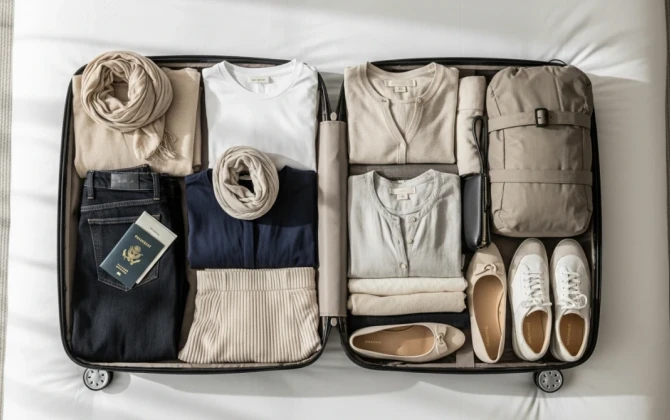 How to Build a Capsule Wardrobe for Travel That Works Anywhere in the World
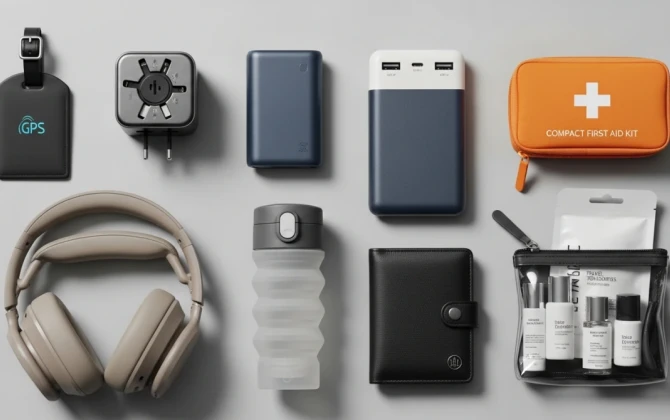 Travel Accessories Worth Packing in 2025: Essentials That Truly Upgrade Every Trip