
How to Store Your Suitcase at Home Without Damaging It
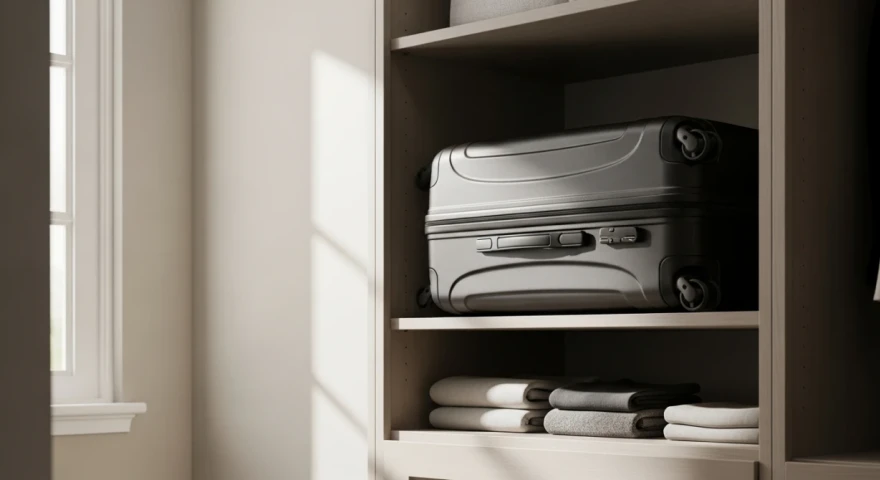
Store your suitcase clean, dry, zipped closed, and indoors in a cool, shaded place with nothing heavy on top. Avoid sunlight, moisture, and tight spaces that distort its shape.
Most damage happens in storage, not in transit. A travel case gets shoved into a hot attic, left dusty in a garage, or flattened under boxes, then comes out months later with a warped shell, faded fabric, or a stale interior.
That matters more now because many people keep one carry-on and one larger bag for years instead of replacing them often. If you want yours to stay clean, structured, and ready for the next trip, storage has to protect the shell, fabric, wheels, handle, and interior at the same time.
🧭 When should you use this storage method, and when should you not?
You should use this method when your travel case will sit unused for weeks or months in a home closet, under-bed space, or another indoor area. You should not use it unchanged for damp sheds, hot attics, or any place with direct sun and unstable temperature.
The core rule is simple. Long-term home storage works best in a cool, dry place away from sunlight, because heat, moisture, and UV exposure can fade color and weaken materials over time.
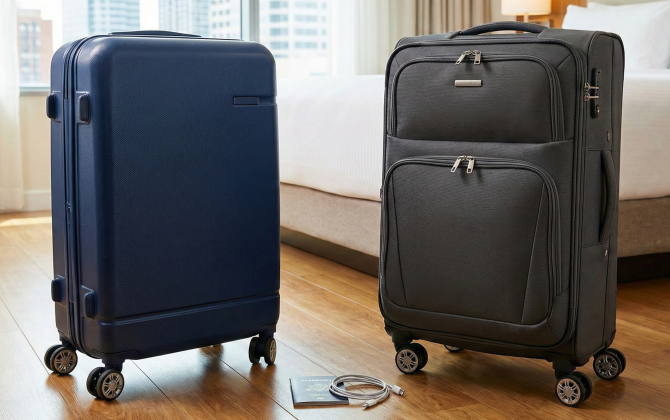
This applies to both hard-shell and soft-sided designs. A polycarbonate or ABS shell can lose its clean finish if it bakes in sun, while woven fabric can trap dust and hold stains if stored dirty.
| Storage location | Good choice? | Why |
|---|---|---|
| Bedroom closet shelf or floor | Yes | Usually dry, shaded, and stable |
| Under a bed in a climate-controlled room | Yes | Low light and easy to keep clear of heavy loads |
| Hall closet near an exterior door | Usually | Works if it stays dry and not overheated |
| Garage | Risky | Moisture and temperature swings can affect materials |
| Attic | No | Heat buildup and dryness can stress components |
| Near a sunny window | No | Direct light can fade color and age surfaces |
Store travel luggage in a cool, dry place away from direct sunlight, clean it before storage, avoid heavy weight on top, and keep zippers closed to help preserve shape.
🧰 What should you prepare before putting luggage away?
Prepare a clean, dry storage spot and make sure the bag itself is fully cleaned and dry before it is stored. A few simple accessories can also reduce dust, scratches, and interior clutter.
Start with the storage area first. If the shelf or floor space is dusty, crowded, or likely to become a dumping ground, fix that before you bring the bag over.
- Required conditions: Indoor space, no direct sun, low humidity, and enough clearance so nothing presses down on the case.
- Required prep: Empty the interior, remove travel debris, wipe surfaces, and let everything dry fully.
- Optional accelerators: A cover for the exterior, a clothes organizer for the interior, and a labeled spot so the bag does not get buried behind household items.
If you are deciding where a new piece will live long term, it helps to think about its shape and material before purchase. The range of suitcases includes hard-shell and soft-shell options in cabin, medium, large, and small sizes, so the storage footprint can differ quite a bit.
| Type | Main storage concern | Best handling at home |
|---|---|---|
| Hard shell | Scuffs, shell pressure, fading | Keep uncovered from heavy loads and out of sun |
| Soft shell | Dust, lingering stains, fabric compression | Clean thoroughly and avoid cramped squeezing |
| Cabin size | Gets overstuffed with random items | Store empty or lightly filled with soft clean items only |
| Large size | Becomes a base for stacked storage | Leave top surface clear and accessible |
What to remove before storage
A travel case should not go into storage loaded with forgotten trip items. Small spills, crumbs, or damp toiletries can leave marks that are harder to clean after months of sitting.
- Take out: Clothing, papers, adapters, and loose accessories.
- Check pockets: Corners and zip compartments often hold dirt or receipts.
- Inspect hardware: Wheels, telescopic handle, and lock area should be free of grit before the bag is parked.
🪜 How do you store it step by step without causing damage?
The safest method is to clean it, dry it, close it, and place it where its shape is supported but not compressed. Each step prevents a different failure, from permanent stains to bent panels or dusty interiors.
- Empty the interior completely. Remove every item, including loose tags, travel bottles, and forgotten chargers. An empty interior lets you spot dirt and prevents trapped moisture.
- Clean the outside and inside. Wipe away visible grime and address any marks before they set over time. Pay extra attention to seams, wheel housings, and corners where dust collects.
- Dry it fully. Do not rush this step. A bag that feels clean but still holds moisture can develop odor and material issues in storage.
- Close all zippers. Zipping the case shut helps it hold its intended shape and keeps dust out of the interior. If the model has a lock, leave it in a state that is easy for you to reopen later.
- Choose the final position. Put it in a closet or under a bed in a dry room, not in direct light. Leave enough space so it is not wedged tight between hard objects.
- Protect the exterior. If the bag tends to get rubbed by nearby items, add one of the available suitcase covers or keep it in a low-contact spot. Covers are especially useful when the storage area is shared with shoes, boxes, or sports gear.
- Keep the top clear. Never store heavy bins, books, or appliances on top. Downward pressure is one of the fastest ways to distort a shell and stress handles or wheel mounts.
If you use packing cubes or a suitcase organiser during travel, remove anything dirty before storage and return only clean, dry organizers if you want the interior to stay tidy. A clothing organiser for suitcase use can help separate small items, but it should never trap damp fabric inside a closed case.
A short worked example
A cabin-size hard case stored on the floor of a bedroom closet usually does well if it is wiped down, zipped shut, and kept away from stacked boxes. The likely result is a clean shell, unchanged shape, and an interior that is ready to pack without re-cleaning.
A large soft-sided piece placed in a garage under holiday decorations is more likely to come back dusty, compressed, and stale. The difference is not brand or price. It is storage environment and top load.
✅ How do you verify that the bag is stored correctly?
You know storage is working when the case keeps its original shape, the interior stays clean, and the outer material shows no new fading, crushing, or stress. A quick monthly check is enough to catch most problems early.
Verification should be concrete, not guesswork. Open the area, look at the bag, and test the parts that tend to suffer first.
- Shape check: Panels look even, corners are not flattened, and the body is not bowed inward.
- Surface check: No new discoloration, dust film, or rubbing marks from nearby objects.
- Interior check: No stale smell, moisture feel, or settled debris inside.
- Hardware check: Wheels roll freely, zipper path is smooth, and the telescopic handle extends without sticking.
- Space check: Nothing has been placed on top since the last inspection.
If you keep travel organizers inside, inspect them too. Clean, dry luggage accessories are fine to store in the main compartment, but damp pouches or used toiletry containers should stay out until they are fully aired and cleaned.

🛠️ What should you do if a step fails or the storage spot is not ideal?
If the area is hot, bright, damp, or crowded, change the environment or move the bag instead of accepting slow damage. If the case was stored poorly, clean it again, dry it completely, and reset it in a better location.
Most storage problems have a practical fallback. The key is to act before pressure marks, odor, or fading become permanent.
- No cool, dry closet available: Use an under-bed spot in a climate-controlled room, provided the area stays clean and clear.
- Dusty shared storage area: Add one of the suitcase covers and place the bag away from rough surfaces that can scratch it.
- Family keeps stacking things on top: Store the bag upright in a dedicated corner or on a shelf where the top is not treated like free space.
- Interior smells stale: Empty it again, wipe it out, and leave it open in a dry room until fully aired before closing it for storage.
- Zipper feels strained: Reopen it and check whether anything inside is bulging or pushing at the edges. It should close cleanly, not under pressure.
💡 What practical habits protect luggage over the long term?
A few habits make a bigger difference than expensive add-ons. Clean after each trip, store indoors, and stop using the top panel as a shelf.
These recommendations are simple, but they prevent the most common home-storage damage.
- Store it right after cleaning: Dirt left for months is harder to remove than dirt handled the same day you unpack.
- Assign one permanent storage spot: That reduces accidental stacking and keeps the bag out of sunlight.
- Use organizers selectively: Keep only clean, dry inserts inside so the interior stays neat without trapping residue.
- Protect visible finishes: Dark or bright exteriors can show rubbing and fading sooner, so low-contact storage matters.
- Check seasonal bags every few weeks: One brief look can prevent months of unnoticed pressure damage.
📦 Which storage setup works best for different travel case types?
The best setup depends on size, shell type, and where the bag fits without pressure. Hard cases need protection from crushing and rubbing, while soft-sided models need extra attention to dust and fabric compression.
For a compact carry-on, a closet shelf or under-bed placement often works well because the body is easier to keep isolated from heavy household items. For a larger checked piece, floor-level closet storage is usually safer than a high shelf because it avoids awkward lifting and accidental drops.
If you are choosing a new bag with home storage in mind, a lightweight model with a clear footprint is easier to place correctly. That matters whether you prefer a rigid shell or a fabric build.
Common mistakes that shorten usable life
- Parking it near a window: Light exposure can fade color and age materials.
- Storing it dirty: Old grime and stains become harder to remove.
- Leaving it partly open: Dust gets inside and shape is less stable.
- Using it as a storage bin: Random heavy household items can stretch linings and strain zippers.
- Keeping it in a garage by default: Indoor convenience often beats extra space when protection is the goal.
Good home storage is mostly about discipline, not complexity. Keep the bag clean, dry, closed, shaded, and free from weight, and it will stay in far better condition between trips.
That approach works across small carry-ons, large checked luggage, hard shells, and soft shells. If you need a replacement or another size that fits your storage space better, threebirds offers options worth comparing.
Should I store my travel case open or closed?
Closed is better for most homes because it helps the bag keep its shape and keeps dust out of the interior.
Is under-bed storage safe?
Yes, if the room is climate-controlled, the area stays dry, and nothing heavy slides on top of the bag.
Can I keep packing organizers inside during storage?
Yes, but only if they are clean and fully dry. Do not leave used or damp travel items sealed inside.
What is the biggest mistake with large luggage at home?
Using the top as a platform for boxes or household storage causes avoidable pressure damage and can stress the frame.
Are hard-shell and soft-sided bags stored the same way?
The basic method is the same, but rigid shells are more vulnerable to pressure marks, while fabric exteriors collect dust and hold stains more easily.
How often should I check a stored bag?
A quick look every few weeks is enough for seasonal storage. Check shape, surface condition, and whether anything has been stacked on it.
 How to Build a Capsule Wardrobe for Travel That Works Anywhere in the World
 Travel Accessories Worth Packing in 2025: Essentials That Truly Upgrade Every Trip