
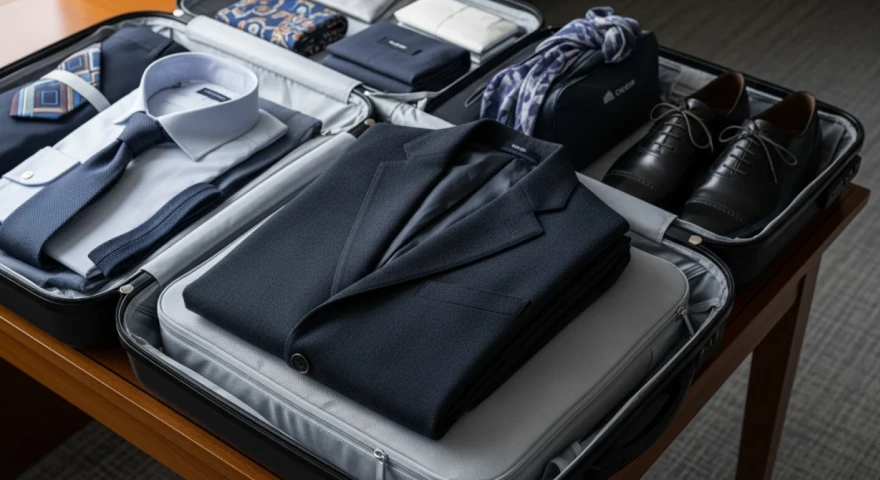
How to Pack Wrinkle-Free Clothes for Business Travel
Pack wrinkle-resistant business fabrics in a structured case, keep shoes and toiletries by the wheels, layer tailored pieces on top, and separate tech into a work bag or laptop backpack.
A business trip can turn a freshly pressed shirt into a creased mess before you even reach the hotel. The usual problem is not only how clothes are folded, but how they are squeezed between shoes, chargers, documents, and last-minute extras in a bag that does not hold its shape.
Wrinkle-free packing for work travel is a practical packing system for suits, shirts, dresses, and trousers that reduces pressure, shifting, and sharp folds during transit. At threebirds, we recommend treating luggage choice, fabric choice, pre-pack prep, and packing order as one routine, because that is what keeps business outfits presentable with less ironing on arrival.
Why do business clothes wrinkle in transit, and when should you use this workflow?
Business clothes wrinkle in transit because they are compressed, folded too sharply, or crushed by heavier items moving around inside the case. This workflow is the right choice for any trip where you need meeting-ready clothes and want to avoid relying on hotel irons or pressing services.
Tailored garments are more vulnerable than casual wear because collars, lapels, waist seams, and trouser creases show pressure marks quickly. A quick overnight trip, a two-day conference, or a multi-leg work trip all create the same risk if clothing shares space with laptops, toiletries, and shoes without structure.
This workflow matters most when you are packing a blazer, dress shirt, formal dress, skirt, or trousers with a clean front crease. It is less critical for gym clothes, denim, or knitwear that can tolerate tighter folding and do not need to look sharp straight out of the bag.
- Use it when: You are carrying officewear, attending meetings shortly after arrival, or traveling with only a cabin case.
- Use a simplified version when: Your trip is casual but you still want to protect one or two smarter pieces.
- Do not rely on it alone when: A garment is already deeply creased or overdue for pressing before packing.
How should you match luggage to wrinkle-free packing?
The right luggage reduces wrinkling by limiting compression and keeping clothing layers stable in transit. A structured case is not a guarantee against wrinkles, but it makes every packing method more reliable and easier to repeat.
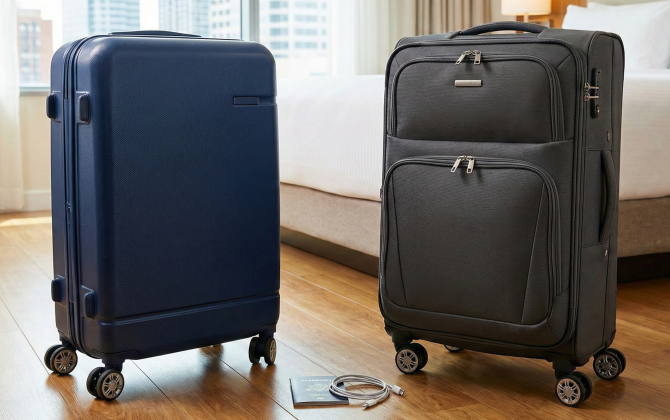
For business travel, the main decision is whether you need the rigid protection of a hard shell or the flexibility of a soft shell. Our suitcase range includes hard shell options made from polycarbonate or ABS plastic, soft shell fabric cases, and sizes from cabin to large, which lets you match the case to the length and formality of the trip instead of overstuffing one casual bag for everything.
A hard shell case usually gives more shape protection for folded suiting and shirts because the outer shell resists inward pressure. A soft shell case can still work well when you want slightly more give, but it performs best when you pack neatly, keep weight distribution stable, and avoid filling bulging exterior spaces with dense items.
When you travel often for both work and personal trips, a luggage set can be a practical long-term choice because it helps you standardize your routine across different trip lengths. That answers the common objection that special luggage is only for frequent flyers. One well-chosen case or set can simplify every future trip and protect clothing better than an overstuffed weekend bag.
| Travel need | Best luggage direction | Why it helps with creasing |
|---|---|---|
| 1 to 2 nights with one blazer and shirts | Cabin-size structured case | Keeps clothing compact without forcing dense overpacking |
| 2 to 3 nights with full business wardrobe | Medium case with defined interior zones | Allows layers to lie flatter and separates shoes from garments |
| Mixed business and personal travel | Luggage set | Lets you scale up or down without changing your packing system |
| Documents and tech separate from clothing | Work bag or laptop backpack | Prevents clothing compartment overcrowding and pressure points |
Separating work tools from clothing is one of the simplest improvements you can make. Our bags collection includes work bags, travel bags, shoulder bags, tote bags, and crossbody styles for business meetings and travel, which helps you keep chargers, papers, and daily essentials out of the clothing compartment instead of pressing them into shirts and jackets.
Which fabrics are best if you want fewer wrinkles?
Wrinkle-resistant fabrics such as wool blends, polyester, and nylon generally hold their shape better in transit than highly crease-prone materials. If you are packing for work, start by choosing clothes that can recover well from folding and movement.
This decision saves time before you even open the suitcase. A blazer in a travel-friendly wool blend will usually arrive in better condition than one in a fabric that creases at the slightest pressure, and a shirt with some wrinkle resistance is much easier to freshen up after unpacking.
Materials such as wool blends, polyester, and nylon are less prone to wrinkling and tend to maintain their shape better while traveling.
simplifyliving.us
- Prioritize: Wool blends for suiting, and business separates with polyester or nylon blends for easier recovery after packing.
- Use with care: Crisp cotton shirts that look excellent when pressed but can crease quickly if packed tightly.
- Avoid for short work trips: Very delicate or visibly crease-prone pieces unless you know you will steam or iron them on arrival.
If you only travel for work a few times a year, this is still worth doing. Building a small travel capsule of resilient meeting clothes is easier than fighting the same packing problem before every trip.
What should you do before clothes go into the case?
Pre-pack prep should take a few minutes, not an extra hour. The key is to press only what truly needs a crisp finish, fasten garments so they keep their shape, and avoid packing anything that is already wrinkled.
Start with fully dry, freshly laundered clothing. Moisture trapped in fabric can set wrinkles more deeply during travel, and last-minute packing of warm clothes from the dryer often creates new creases before the trip even begins.
- Press or steam high-visibility pieces: Focus on shirt fronts, collars, cuffs, blazer lapels, trouser fronts, and dress hems.
- Button and zip structured garments: Fasten shirts, blazers, dresses, and trousers so seams stay aligned while folded.
- Empty pockets: Bulky pocket items create pressure points that show through tailored fabric.
- Sort by packing method: Put structured items aside for bundle wrapping and softer pieces aside for rolling or simple folds.
- Choose your core outfit first: Pack the outfit you must wear for the most important meeting, then build around it.
If these steps sound time-consuming, they usually become routine after one or two trips. In practice, they take far less time than trying to de-wrinkle a blazer just before a meeting.
What is the best step-by-step packing workflow for a 2 to 3 day business trip?
The best workflow is to build a stable base, isolate heavy items, layer garments in order of wrinkle risk, and reduce movement inside the case. For a short business trip, this usually means shoes and toiletries near the wheels, heavier folded items lower down, and tailored pieces on top or wrapped around a soft center.
Think of the suitcase as a protected stack, not a tote that gets filled from whichever side is open. Weight distribution matters because heavy objects that slide into the middle of the case can crush a shirt placket or flatten a blazer shoulder.
- Start with the case flat and open: Use the larger compartment for clothing and identify where the wheel end sits.
- Place shoes near the wheels: Put shoes in separate bags and position them at the wheel end so their weight stays low and stable.
- Add toiletries and other dense items beside the shoes: Keep these compact and low rather than stacking them on clothing.
- Create a soft core: Use sleepwear, knitwear, or other soft items in the middle if you plan to wrap structured garments around them.
- Pack lower-risk items first: Rolled casual pieces, underlayers, and less delicate garments can go below the main businesswear.
- Layer shirts, trousers, dresses, and jackets last: Keep them flatter and closer to the top so they are not carrying the load of the whole case.
- Use a suitcase organiser or other internal dividers: A clothing organiser for suitcase use helps keep categories separate and limits shifting during transit.
- Close the case without forcing it: If you need to push hard to zip the case, remove something. Overcompression creates wrinkles faster than imperfect folding.
If you like organizers, use them for smaller garments and accessories rather than cramming your blazer into a tight cube. Our travel accessories page also highlights organizers for clothes in suitcases and multi-compartment options that help divide items and reduce movement, plus accessories for hand luggage that keep documents and gadgets separate from your clothing.
For business travelers carrying tech, a dedicated backpack is often the cleanest solution. The Bange 6801 14-Inch Laptop Backpack is one practical example from our travel accessories range if you want to move your laptop, documents, and cables out of the main case so your garments can stay flatter.

How do you pack suits, shirts, dresses, skirts, and trousers so they stay sharper?
Structured pieces stay sharper when you reduce hard fold lines and spread pressure across the garment. Bundle wrapping is one of the most useful methods for blazers and dress shirts, while trousers and softer dresses can often be folded strategically or rolled depending on fabric.
Garment bags still have a place for certain trips, especially when you are carrying one standout suit. For most short business travel, though, smart folding inside a structured case is usually more practical because it protects the rest of the wardrobe too and is easier to manage across flights, taxis, and hotel check-in.
Bundle wrapping works by wrapping garments around a central soft core, which distributes pressure more evenly and helps avoid sharp creases in structured items such as blazers and dress shirts.
anatomie.com
Suits and blazers
Button the jacket, smooth the lapels, and turn one shoulder slightly inward so the other shoulder can nest inside it without a hard crush. Lay the blazer flat near the top of the case or use it as an outer layer in a bundle around a soft center.
Do not place shoes, chargers, or toiletry bags above a blazer. If you are packing a full suit, keep the jacket and trousers together in the same top layer so you do not have to dig through the case and disrupt the structure.
Dress shirts
Button the shirt, fold the sleeves inward cleanly, and avoid thick stacks of shirts pressing on each other. If possible, wrap one or two shirts around a soft core or place them just under the blazer layer so the fronts stay smooth.
Collars should not be flattened under dense items. If the shirt fabric is especially crisp, pack fewer shirts and rewear a jacket or trousers instead of trying to fit too many formal pieces into one carry-on.
Dresses and skirts
Business dresses and skirts travel best when folded along natural seams and laid relatively flat. Softer, wrinkle-resistant fabrics can be gently rolled, but structured office dresses usually do better with wide folds rather than tight rolls.
Keep embellishments, belts, or metal hardware away from delicate fabric surfaces. If a dress is your main meeting outfit, treat it like a blazer and keep it near the top of the case.
Fold trousers along their existing crease if they have one, then fold once or twice at most depending on case size. A common trick is to let the lower leg extend slightly and fold it back over the top layer later, which reduces one hard midpoint crease.
Trousers can also form part of a bundle wrap around softer clothing. Just avoid placing them at the very bottom under shoes and toiletry bags, where pressure can stamp in new lines during the journey.
How do you verify that your packing worked when you arrive?
You can verify success by checking shape retention, not perfection. The goal is clothes that are ready to wear immediately or need only a light refresh, not a promise that every fabric will look untouched.
Open the case as soon as you arrive and remove the most structured items first. Let them hang while you unpack the rest so any minor travel folds can relax before you judge the result.
- Good result: Shirt fronts are smooth, collars hold shape, blazer lapels lie flat, and trouser creases look intentional rather than broken.
- Acceptable result: One or two soft fold lines that release after hanging in the bathroom or with a quick steam.
- Poor result: Deep cross-body creases, crushed shoulders, or visible marks from shoes, tech, or toiletry bottles.
If your clothes usually pass the first two checks, your system is working. That makes it easy to repeat for future trips with only small adjustments for season, trip length, and dress code.
What should you do if your clothes still wrinkle or your bag is unstructured?
If wrinkles still show up, keep the method and fix the failure point rather than abandoning the whole routine. Most problems come from overpacking, poor weight placement, or mixing clothing with work gear in a bag that does not protect the stack.
Start by identifying where the pressure came from. Deep marks across shirts usually mean the case was too full or dense items shifted into the clothing layer, while crushed jackets often point to soft, unstructured luggage or storing the blazer too low in the case.
- If your case is overstuffed: Remove one pair of shoes, one extra shirt, or bulky nonessential items. Space is part of wrinkle prevention.
- If your bag is soft and collapses: Keep using the folding methods, but expect better results when you move to a more structured case with clearer internal organization.
- If you already use a garment bag: Keep it for the highest-priority piece, but use a proper case for the rest of the wardrobe so everything else is protected too.
- If shirts still crease: Reduce stack height and move tech, papers, and chargers into a separate work bag, crossbody, or laptop backpack.
- If you need a faster routine: Standardize a repeatable travel wardrobe and packing order so you are not making decisions from scratch before every trip.
The underlying rule is simple. The less movement, compression, and mixed-purpose stuffing inside the bag, the better your business clothes will travel.
What matters most before your next business trip?
Wrinkle-minimizing packing works best when you treat clothing choice, pre-pack prep, and luggage structure as one system rather than separate tasks. Choose resilient business fabrics, press only what matters, place heavy items by the wheels, protect tailored pieces near the top, and keep tech separate from clothing whenever possible.
A well-chosen case or set makes that system easier to repeat, especially when you pair it with a dedicated work or travel bag for documents and devices. Browse our suitcases, then shortlist a complementary work bag or laptop backpack to build a business travel setup you can rely on trip after trip.
Is a hard shell or soft shell better for business clothes?
A hard shell usually gives more shape protection for tailored pieces because it resists outside pressure. A soft shell can still work well if you pack lightly and keep heavy items controlled.
Do I need to iron everything before packing?
No. Press the pieces that show wrinkles most clearly, such as shirt fronts, collars, cuffs, lapels, and trouser fronts, and leave lower-risk items for simple folding.
Where should shoes go in the suitcase?
Place them near the wheel end in separate bags. That keeps weight stable and lowers the chance of shoes shifting into your clothing stack.
Can packing cubes help with work clothes?
Yes, especially for smaller garments and accessories. They reduce movement inside the case, but very structured items like blazers should not be squeezed into a tight organizer.
Does bundle wrapping really help with suits and shirts?
Yes. Wrapping structured garments around a soft center spreads pressure more evenly and reduces hard fold lines that can show up across lapels and shirt fronts.
Should I keep my laptop in the main suitcase?
It is usually better to carry tech separately in a work bag or laptop backpack. That leaves more flat space for clothing and avoids pressure from chargers, documents, and devices.
What if I only travel for work a few times a year?
You still benefit from a repeatable setup. One structured suitcase and a small business travel wardrobe can make occasional trips much less stressful.
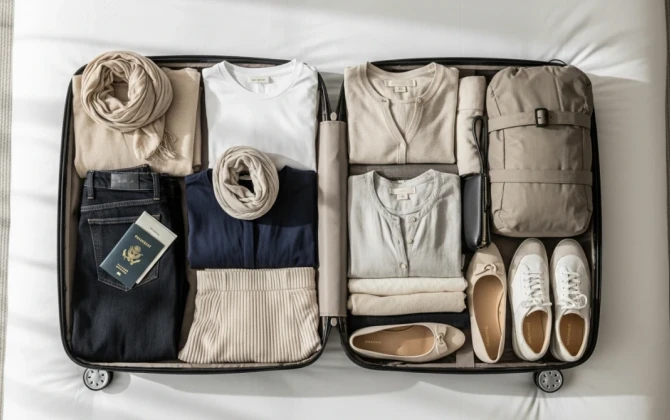 How to Build a Capsule Wardrobe for Travel That Works Anywhere in the World
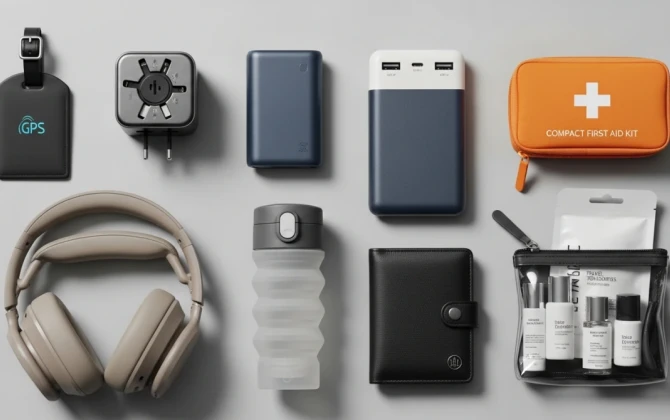 Travel Accessories Worth Packing in 2025: Essentials That Truly Upgrade Every Trip