
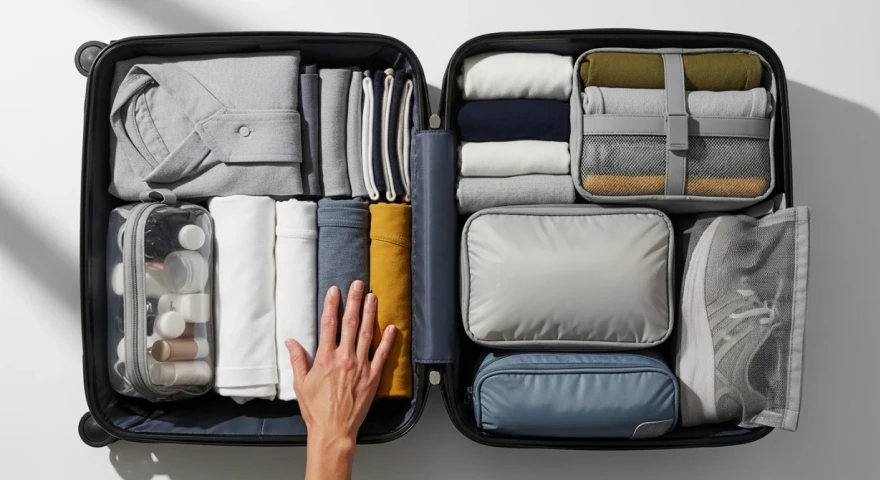
How to Pack a Suitcase Like a Professional: 10 Techniques That Actually Save Space
Pack more efficiently by choosing the right suitcase, planning outfits, mixing rolling with folding, and using layers, gaps, and organizers with clear limits on shoes and extras.
The usual packing failure is not a lack of room. It is wasted room. Bulky shoes sit half empty, heavy items end up in the wrong place, and one extra “just in case” outfit turns a manageable case into one you have to force shut.
Packing a suitcase well is a practical travel skill. It helps anyone who wants to fit more usable clothing into the space they already have, keep key pieces in better shape, and move through airports with less hassle and less guesswork.
The method that works best is not one trick such as rolling everything. It is a repeatable system that matches your trip, your clothes, and your luggage so the shape of what you pack uses the interior space efficiently.
When should you use this packing system?
Use this system when you want to save space without turning your bag into a disorganized pile. It works best for short breaks, business trips, and standard vacations where you can plan outfits in advance and want a realistic balance of capacity, order, and wrinkle control.
This approach is less useful if you are packing highly specialized gear, moving house, or carrying mostly bulky equipment rather than clothes. In those cases, protection and item-specific storage matter more than classic clothing compression.
- Best fit: Trips where clothing, shoes, toiletries, and small electronics make up most of the load.
- Main goal: Create usable space, not just squeeze more volume into the case.
- Weight check: Extra room should not become an excuse to exceed your airline’s baggage allowance, so weigh your luggage at home.
- Useful add-ons: A good under-seat bag, a few pouches, or a suitcase organiser can make the system faster and easier to repeat.
The 10 techniques in one glance
The professional approach is simple: choose the right case, reduce what goes in, and pack in a deliberate order. Each technique changes either the volume your items take up or how efficiently that volume fits the case.
- 1. Start with the right suitcase: Match size and shell type to trip length and packing style.
- 2. Plan outfits, not items: Pack complete combinations instead of random extras.
- 3. Match folding method to fabric: Roll soft pieces, fold structured ones.
- 4. Build a packing base layer: Put heavy, firm items in first so the rest stacks better.
- 5. Use dead space on purpose: Fill shoes, corners, and gaps with small items.
- 6. Separate by category with organizers: Group clothing so space stays controlled instead of chaotic.
- 7. Limit shoes and outerwear: These are the fastest way to lose volume.
- 8. Split transit essentials into a personal bag: Keep the main case for bulk items and the small bag for access items.
- 9. Pack a wrinkle layer on top: Reserve the upper layer for shirts, blazers, and ready-to-wear pieces.
- 10. Compress, review, and stop: Close the case, remove low-value extras, and leave some breathing room.
How do you choose the right suitcase before you start packing?
The right suitcase gives you more usable space because its size, weight, shape, and structure affect how neatly items fit. Start by matching the case to the trip, then choose shell type and features that make organized packing easier rather than harder.
Size matters first. A cabin case often suits a short break if you pack tightly and keep your clothing plan simple. A small or medium case is often easier for a 3 to 7 day trip, while a large case makes more sense when you need bulkier clothing or are packing for longer travel.
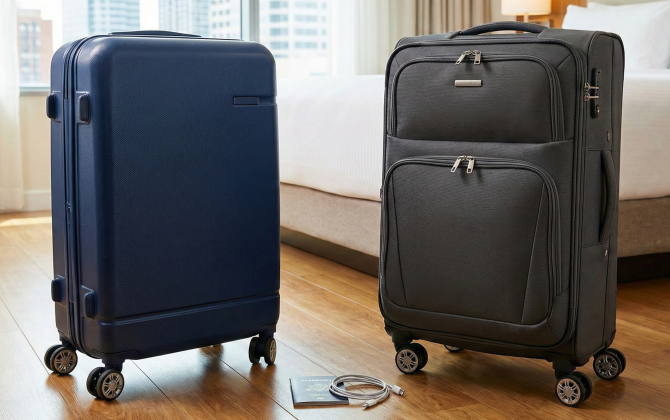
Shell type changes how the interior behaves. Hard shell cases in polycarbonate or ABS plastic keep a defined shape, which helps with precise stacking and protects tightly packed contents. Soft shell cases can offer more flexibility when your load is uneven or you prefer an outside that yields a little.
If you are deciding between the two, the question is not which one “fits more” in every situation. A soft shell can flex, but a hard shell with flat sides often lets you pack more cleanly because your folded and rolled layers sit against stable walls instead of bowing outward unpredictably. You can browse suitcases in cabin, small, medium, and large sizes with both hard and soft shell options when you want the case to match the trip instead of forcing one bag to do everything.
| Trip need | What usually works best | Why it helps packing |
|---|---|---|
| Weekend or very light trip | Cabin or small case | Keeps limits clear and discourages overpacking |
| 3 to 5 days with mixed outfits | Small or medium case | Leaves room for shoes, toiletries, and a top layer for wrinkle-prone items |
| Longer trip or bulkier clothing | Medium or large case | Allows layering without crushing everything into one dense block |
| Structured packing and better protection | Hard shell | Supports cleaner stacking and shields contents from knocks and weather |
| Need more flexibility in the outer shape | Soft shell | Can adapt more easily when the load is uneven |
Features matter too, even when they do not directly create liters of space. A lightweight case leaves more of your airline weight allowance for clothing instead of the bag itself. Four wheels are easier to manage when the load gets heavy, while two wheels can suit travelers who prefer a simpler pull design. A telescopic handle improves control in transit, and a combination lock helps secure a tightly packed load.
How do you reduce volume before anything goes in the case?
The fastest way to save space is to cut unnecessary items before packing starts. Plan in outfits, not individual garments, so every piece earns its place and works with at least one other item.
This is the point where many people think they are being sensible while still overpacking. They pack five tops, four bottoms, two jackets, and several backup pieces because each item seems reasonable by itself. The volume only becomes obvious when those unrelated items compete for space.
For a 3 to 5 day trip, a simple outfit-based plan might look like this:
- Core bottoms: 2 pieces that work with every top.
- Tops: 3 or 4 options that all match those bottoms.
- Layer: 1 light knit or overshirt for temperature changes.
- Outerwear: 1 jacket worn in transit if it is the bulkiest item.
- Shoes: 2 pairs total, including the pair on your feet.
- Sleepwear and underwear: Pack only what you will actually rotate through the trip.
If one item does not match at least two other pieces, it usually belongs at home. This is also the easiest way to stop space-saving techniques from becoming an excuse to carry too much.
Which items should be rolled, folded, or laid flat?
Rolling works best for soft, casual items, while folding or flat packing works better for structured garments. If rolling did not help you before, the problem was likely using one method for everything instead of matching the method to the fabric and shape.
Roll T-shirts, knitwear, leggings, casual trousers, pajamas, and workout clothing. These items compress well, fill gaps easily, and usually wrinkle less when rolled into firm cylinders. Avoid loose, sloppy rolls because they create lumps and waste space.
Flat-fold shirts, blouses, dresses with structure, and anything with collars or sharp seams. A blazer or tailored jacket should be folded more carefully and packed near the top, not compressed deep under heavier items.
- Roll: Soft cottons, jersey, knit layers, casual separates.
- Fold: Button-downs, smarter tops, dresses with shape.
- Lay flatter on top: Blazers, pressed shirts, and next-day outfits.
If you want a simple rule, think about resistance. Soft items can be shaped to the suitcase. Structured items need the suitcase to protect their shape.
What goes into the suitcase first?
Pack heavy and firm items first so they create a stable base. The bottom layer sets the geometry of the whole case, which is why random packing nearly always wastes room.
Start with shoes, toiletry bags, chargers, and other dense items. Place them near the wheel end of the suitcase because that part usually handles weight better in transit and keeps the case more balanced when you move it.
Once the base is in place, stack rolled or folded clothing around it rather than dropping everything in from above. This creates flatter layers and stops hard items from pressing awkward ridges into your clothes.
How do you use dead space that most people ignore?
Dead space is where real packing gains happen. Fill shoes, corners, and the spaces between larger items with small, soft pieces so every awkward gap does useful work.
Socks, underwear, belts, charging cables, and small toiletries are ideal for this. Shoes should never travel empty unless you have a specific reason to protect their shape, because each empty shoe is wasted interior volume.
Think in three types of gaps. The first is inside bulky items such as shoes. The second is around the edges of the case. The third is between uneven objects in the base layer. Small items belong in those zones, not floating loosely in the middle of the suitcase.
Do packing organizers actually save space?
Yes, organizers save space when they control categories and stop clothing from spreading into wasted gaps. They do not work by magic compression alone. They work because they make the shape of your packed items more consistent.
A clothing organiser for suitcase use is most helpful when you pack by category, such as tops in one pouch and underwear in another, rather than by random convenience. That keeps your layers compact when you open the case and reduces the need to repack everything just to find one item.
Purpose-made organizers are optional, not mandatory. You can start with simple pouches, laundry bags, or zip cases you already own. If you want a more repeatable setup, travel accessories such as clothes organizers for suitcases and hand-luggage accessories can make it easier to divide clothing, reduce creasing, and keep documents and gadgets separate from the main clothing load.
Why are shoes and outerwear the first things to limit?
Shoes and bulky layers consume more space per item than almost anything else in a suitcase. Put a cap on them early, or they will quietly take over the case before your everyday clothing is packed.
For most trips, two pairs of shoes total is a useful limit. Wear the larger or heavier pair while traveling and pack the lighter pair. If a third pair does not serve a clearly different function, it is usually a luxury item rather than a packing essential.
The same logic applies to outerwear. One jacket or coat is enough for many trips, and the bulkiest one should usually be worn instead of packed. If weather varies, layer with lighter pieces rather than carrying multiple heavy outer layers.
What should stay out of the main suitcase?
Keep in-transit essentials out of the main suitcase so the case can be packed for volume, not access. Your personal bag should carry the items you may need during the journey, while the suitcase holds the bulk of what you will use after arrival.
This split makes packing more efficient because you stop reserving awkward top-layer space for passports, chargers, medications, snacks, or a laptop. It also means you can open your smaller bag during the trip without disturbing your clothing system.
A travel tote, crossbody, shopper, or backpack can all work here depending on what you carry. The bags collection includes options for travel, work, and everyday use, including crossbody, shoulder, tote, shopper, and travel bags, so you can separate transit essentials from packed clothing without giving up a polished look.
How do you keep clothes relatively wrinkle-free while still saving space?
You do not need to choose between compact packing and presentable clothes. The key is to compress casual items lower down and reserve a smoother top layer for pieces that need to look ready to wear.
Place shirts, blouses, dresses, or a blazer near the top after the denser layers are built. Fold them neatly, keep collars flat, and avoid forcing them around hard corners. If you have a thin plastic dry-cleaning bag or similar slick layer, placing it around wrinkle-prone garments can reduce friction while the case moves.
Unpack these items first when you arrive. Hanging them promptly often improves minor creases before you need to wear them.
How do professionals finish packing without overstuffing the case?
They compress deliberately, then stop before the case loses structure. Final packing is a review stage, not a last-minute invitation to add more extras.
Close the suitcase once, then ask what would be least missed if removed. Extra tops, a third pair of shoes, and duplicate toiletries are common low-value items. If the case closes only with force, the load is too dense and your clothes will shift and wrinkle more in transit.
This is also the moment to use coordinated luggage well. If one traveler routinely needs more than one size or wants a consistent system across trips, luggage sets can make it easier to choose a case that fits the trip instead of overfilling one bag every time.
How do you verify that your packing job is actually efficient?
A well-packed suitcase closes without strain, keeps categories easy to find, and leaves no obvious hollow zones. You should be able to identify what is where, lift or roll the case comfortably, and open it without everything collapsing outward.
Use these checks before you leave home:
- Closure test: The zipper should close smoothly without you leaning on the case.
- Access test: You should be able to reach one category, such as underwear or chargers, without dismantling the entire load.
- Balance test: The case should feel stable when lifted and controlled when rolled.
- Weight test: Weigh it at home and compare it with your airline’s allowance.
- Wrinkle test: Open the case once and inspect the top layer for obvious crushing or sharp folds.
If your current case makes these checks difficult because it is heavy, awkward to move, or shaped in a way that wastes room, it may be worth comparing your setup with the options on threebirds suitcases and then maintaining it properly after travel with the site’s guide on cleaning a suitcase after use.
What should you do if one of these steps fails?
If a technique does not seem to work, change the system around it instead of abandoning the whole method. Packing results usually improve when you adjust the category mix, item count, or order of packing.
- If rolling made no difference: Roll only soft items, fold structured garments, and rebuild the case in layers.
- If the case is full too soon: Recheck shoes, outerwear, and duplicate outfits before blaming the suitcase.
- If the bag is organized but overweight: Remove dense items, especially toiletries, extra shoes, or electronics, and weigh again.
- If wrinkles are worse than expected: Move formal pieces to the top, reduce pressure from hard items, and unpack sooner on arrival.
- If your old suitcase fights the system: Keep using the method, but note where the case limits you, such as excess empty corners, poor mobility, or too much bag weight.
The point is not to pack the absolute maximum every time. It is to create a setup you can repeat under normal travel pressure without chaos, crushed clothing, or avoidable extra baggage.
Professional packing is a sequence, not a gimmick. Choose a case that fits the trip, reduce what goes in, match folding to the garment, use every gap intentionally, and protect your top layer for the items that need to look neat.
When you can close the case easily, find what you need quickly, and move through travel day without repacking in the airport, the system is working. Apply these 10 techniques on your next trip, and if your current luggage makes them harder than they should be, consider browsing threebirds for a better-matched suitcase, bag, or organizer setup.
Is a hard shell or soft shell suitcase better for saving space?
It depends on how you pack. Hard shell cases often help with cleaner stacking, while soft shell cases can be more forgiving when the load is uneven.
What size suitcase is usually best for a 3 to 5 day trip?
A small or medium case is often the easiest fit because it leaves room for shoes and toiletries without pushing you toward a large, overpacked bag.
Why didn’t rolling my clothes save space last time?
Rolling works best for soft garments, not every garment. If you rolled shirts, blazers, and structured pieces too, you likely created bulk instead of reducing it.
Do I need packing cubes to use this method?
No. Simple pouches or bags can handle the basics, though dedicated organizers make categorizing and repacking faster.
How many pairs of shoes should I pack?
For many trips, two pairs total is a practical limit. Wear the bulkier pair in transit and pack the lighter one.
What belongs in a personal bag instead of the suitcase?
Keep documents, medications, chargers, valuables, and other in-transit items with you. That leaves the main case free for bulkier clothing and shoes.
How can I reduce wrinkles without giving up space?
Put softer, more compressible clothes lower down and place shirts or tailored pieces near the top. Unpack and hang those items as soon as you arrive.
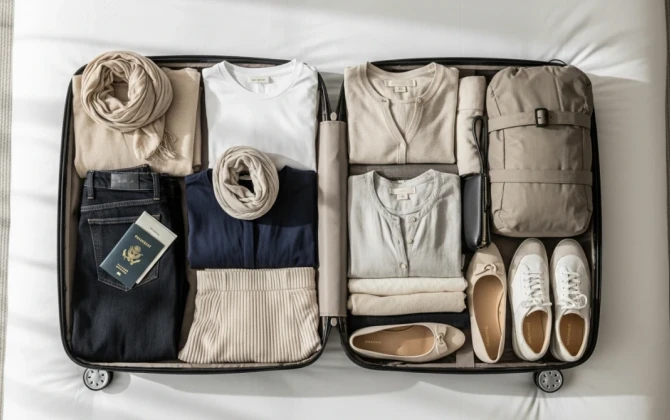 How to Build a Capsule Wardrobe for Travel That Works Anywhere in the World
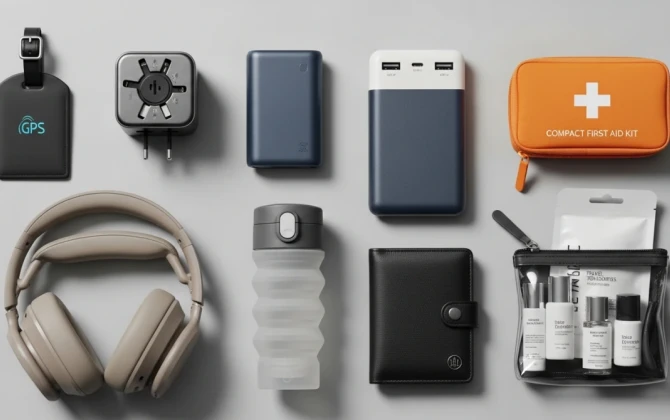 Travel Accessories Worth Packing in 2025: Essentials That Truly Upgrade Every Trip