

How to Clean Your Suitcase After a Long Trip
Empty the suitcase, remove dry debris, wipe the exterior and lining with mild soapy water, clean wheels and zippers carefully, then dry everything fully before storage.
Most people unpack, shove the case into a closet, and deal with the grime months later when odors, sticky handles, or sand in the wheels have already set in. After a long trip, cleaning your luggage is basic gear maintenance, and it matters most for travelers who want to protect the shell, lining, zippers, and wheels before the next flight or train ride.
The right method depends on what the case is made from and where the dirt is sitting. A hard shell can handle a different approach than a fabric exterior, and a rushed wipe-down often misses the handle joints, wheel housings, and inner seams where residue builds up fast.
🧭 When should you clean a suitcase right away, and when should you wait?
You should clean it right away if it came back dirty, damp, sandy, or exposed to spills. You should wait only long enough for inspection and safe drying if the bag is wet from rain or condensation.
Start as soon as you unpack because fresh debris is easier to remove than dried mud, drink residue, sunscreen smears, or ground-in dust. Immediate cleaning also reduces the chance that trapped moisture will leave a stale smell inside the lining.
Do not begin with soap if the case is still packed, if electronics or papers are hidden in pockets, or if you cannot fully open it in a ventilated area. First empty every compartment, extend the handle, and check whether the exterior is a rigid shell or a soft fabric build.
- Clean immediately: after beach trips, rainy travel days, checked-baggage scuffs, food leaks, or bathroom-product spills.
- Pause briefly first: if the bag is wet, let surface moisture air off so you do not rub grime deeper into seams.
- Do not use this workflow yet: if the case has structural cracks, torn fabric, or a jammed wheel that needs repair before washing.
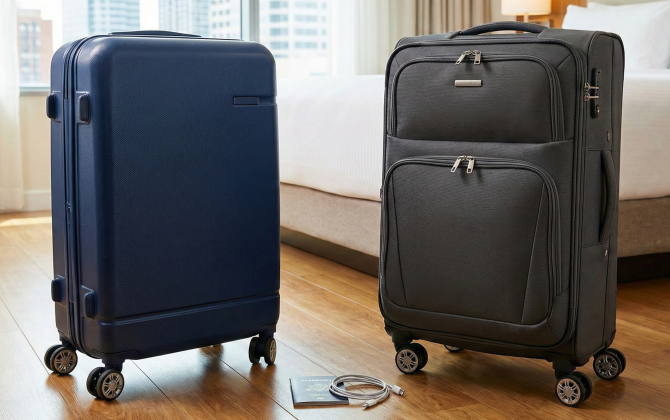
If you are choosing a replacement or a second case for different trip types, the suitcase collection helps clarify the difference between hard-shell and soft-shell options, along with sizes and features such as wheels, combination locks, and telescopic handles.
🧰 What do you need before you start cleaning?
You need a clear workspace, soft cloths, mild soap, warm water, and a dry towel. Optional helpers such as a small brush, cotton swabs, and packing inserts make the job faster and more precise.
Preparation matters because the wrong tool can scratch a polycarbonate or ABS surface, leave lint inside the lining, or push grit deeper into wheel tracks. Set the bag on a table, floor mat, or clean towel so you can rotate it without adding fresh dirt.
- Required: warm water, mild liquid soap, two soft cloths, one dry towel, and a trash bag for debris.
- Useful: a soft toothbrush or detail brush for wheel hubs, zipper teeth, and corners.
- Useful: cotton swabs for handle joints, lock edges, and molded trim.
- Useful: a vacuum with a brush attachment for lint, crumbs, and dust inside pockets.
- Optional accelerators: a suitcase organiser or other packing cubes, because removable organizers can be cleaned separately and help you spot hidden spills faster.
If you travel often, smart packing reduces cleanup time on the back end. Practical travel accessories such as toiletry bottles, covers, and compartment inserts help limit direct contact between dirty clothes, liquids, and the inner lining.
| Suitcase type | Best cleaning approach | Watch out for |
|---|---|---|
| Hard shell, polycarbonate or ABS | Soft cloth with mild soapy water, then dry buffing | Abrasive pads that dull the finish |
| Soft shell fabric | Gentle surface cleaning with a damp cloth and light brushing | Over-wetting fabric and leaving it to dry folded |
| Waterproof exterior | Quick wipe-down and seam check | Ignoring trapped moisture around zipper lines and handles |
🧼 How do you clean the outside step by step?
Clean the exterior from top to bottom, starting with dry debris removal and then moving to a damp wipe. This order prevents grit from acting like sandpaper while you scrub.
- Empty loose dirt first: shake out dust, brush off dried mud, and wipe away grit with a dry cloth before adding water.
- Mix a mild cleaning solution: use warm water with a small amount of gentle soap, not a harsh chemical cleaner.
- Wipe broad panels: use a soft damp cloth on the front, back, sides, and base, rinsing the cloth as it picks up grime.
- Focus on contact points: clean the top handle, side handle, telescopic handle grip, and the area around the lock where skin oils and airport residue collect.
- Detail the edges: use a small brush or cotton swab along molded seams, zipper channels, and corners.
- Dry thoroughly: wipe the whole exterior with a dry towel so water does not sit around fittings.
For a hard-shell model, keep pressure light and repeat gentle passes instead of scrubbing hard at one mark. For a soft-sided case, blot stained spots rather than saturating the fabric, especially around stitched panels.
| Model example | Construction style | Notable cleaning focus | Listed price |
|---|---|---|---|
| Canary Hard Shell Suitcase | Hard shell | Scuffs on rigid panels and grime near wheel mounts | £55 |
| Finch Hard Shell Suitcase | Hard shell | Finger marks on shell and dust in telescopic handle channels | £55 |
| Eagle Soft Shell Suitcase | Soft shell | Fabric surface marks and lint around stitched seams | £50 |
🧺 How do you clean the inside without leaving odors or dampness?
Clean the interior by vacuuming first, then wiping the lining lightly, and drying it fully while the case stays open. The key is moisture control, because trapped dampness causes more problems than the original dirt.
Start by turning out every pocket and removing tickets, wrappers, and lint. Vacuum the base, seams, and compartment folds where crumbs, sand, and dust usually collect after a long trip.
- Open everything: unzip all pockets and dividers so hidden debris is exposed.
- Vacuum carefully: use low suction with a brush attachment on lining, corners, and pocket edges.
- Spot-clean marks: dab stained areas with a damp cloth and a tiny amount of soap.
- Wipe the full lining lightly: pass a barely damp cloth over interior panels, avoiding soaking.
- Air-dry open: leave the bag fully open in a dry room until the lining feels completely dry to the touch.
If a toiletry leak has spread through packed clothing, clean removable organizers separately and wash affected garments before repacking them into the case. This is where good suitcase accessories pay off, because compartments isolate mess and shorten cleanup.
🛞 What is the best way to clean wheels, handles, locks, and zippers?
The best way is to clean moving parts with small tools, light pressure, and almost no standing water. These areas fail from trapped grit and residue, not from visible dirt alone.
Wheels pick up hair, thread, sand, and sticky grime from terminals, sidewalks, and train platforms. Roll each wheel by hand and remove wrapped debris before wiping the housing and axle area with a damp cloth.
- Wheels: rotate them slowly and clear lodged grit from the grooves and wheel wells.
- Telescopic handle: wipe the grip and clean around the sliding rails without pouring water into the mechanism.
- Zippers: brush zipper teeth gently so particles stop catching during closing.
- Lock area: clean around the combination lock face and nearby trim with a cotton swab.
A common mistake is spraying cleaner directly into the wheel housing or lock. Put cleaner on the cloth instead, because excess liquid can sit around hardware and attract more grime later.

✅ How do you know the case is actually clean enough to store?
The case is clean enough to store when it is dry, odor-free, smooth to the touch, and all moving parts work without dragging. If any section still feels tacky, gritty, or musty, cleaning is not finished.
Run a simple check before you put it away. Open and close the zippers, extend and retract the handle, and roll the bag a short distance to confirm nothing is binding.
- Exterior success signal: no sticky patches, visible streaks, or loose debris in corners.
- Interior success signal: lining feels dry and pockets are free of crumbs, sand, and paper bits.
- Hardware success signal: wheels turn cleanly, zipper path feels smoother, and the lock area is free of residue.
- Storage success signal: no lingering smell when you close the case for a few minutes and reopen it.
A quick real-world example: after a beach vacation, a hard-shell case may look clean after one wipe but still grind when rolled because sand remains in the wheel wells. Once those wells are brushed out and dried, rolling resistance usually improves right away.
🔁 What should you do if stains, odors, or grime do not come off?
If standard cleaning fails, repeat the process in the problem area with more patience, not more force. Persistent issues usually come from trapped residue, hidden moisture, or debris in seams and hardware.
For marks on a rigid shell, make several gentle passes with a damp cloth instead of using an abrasive scrubber. For fabric exteriors, blot again with light soap, then let the area dry fully before deciding whether the stain remains.
- If odor remains: reopen every compartment and give the interior more drying time before storage.
- If wheels still drag: inspect for wrapped fibers or grit deeper in the housing and repeat detailed brushing.
- If zippers catch: check for trapped dirt in the teeth and along the tape rather than forcing them shut.
- If a spot spreads: stop adding water and switch to a controlled spot-clean with a barely damp cloth.
Another common scenario is a soft-sided bag after a city break in wet weather. The outer fabric may seem dry while moisture stays near seams and piping, so the fix is extra open-air drying, not heavier detergent.
💡 What practical habits make future cleanups easier?
Small packing habits make post-trip cleaning faster and protect the case over time. The best strategy is to stop dirt and leaks before they reach the lining, wheels, and shell.
- Separate dirty laundry: keep worn clothes contained so dust and odor do not spread through the main compartment.
- Use compartment inserts: a well-chosen luggage organizer keeps toiletries, chargers, and clothing categories from mixing.
- Contain liquids: travel bottles and toiletry pouches reduce the chance of soap or lotion spills.
- Protect the exterior: covers help limit scratches and baggage-belt grime on the outer surface.
- Keep essentials separate: for city transfers or day travel, crossbody or long-strap bags are practical because documents and small items stay accessible without repeatedly opening the main case.
These habits matter more on longer trips, where repeated packing and unpacking create more abrasion and more chances for leaks. Good travel accessories do not replace cleaning, but they reduce the amount of deep cleaning needed after each return.
Cleaning a travel case after a long trip is mostly about timing, material awareness, and careful drying. Remove debris first, use mild soap sparingly, pay extra attention to wheels and handles, and confirm the bag is fully dry before storage. A few minutes after each return will usually prevent deeper stains, odors, and hardware problems later. If you are replacing worn luggage, threebirds offers hard-shell and soft-shell options that make maintenance straightforward.
Should I clean my suitcase before or after unpacking?
Unpack first so you can open every compartment and avoid trapping moisture around clothing or documents. Cleaning an empty case is also much more accurate.
Can I use the same method on hard-shell and soft-shell luggage?
The overall workflow is similar, but rigid shells tolerate a broader wipe-down while fabric exteriors need lighter moisture and more blotting. Avoid soaking any soft material.
What part of a suitcase gets missed most often?
Wheel wells, telescopic handle joints, and zipper channels are easy to overlook. Those spots collect the most grit and often cause rough rolling or snagging.
How long should I let the inside dry before storing it?
Leave it open until the lining feels fully dry and there is no closed-in smell when you reopen it. Storage while damp is what usually creates mustiness.
Why do wheels still feel rough after the shell looks clean?
Visible dirt on the outside is only part of the problem. Sand, hair, and thread can stay wrapped inside the wheel housing and keep the bag from rolling smoothly.
Do packing organizers actually help with cleanup?
Yes, because they keep categories separate and limit how far a spill or dirt transfer can spread. They also make it easier to find the exact area that needs attention.
Is it safe to store the case closed right after wiping it down?
Not until both the exterior details and the inner lining are dry. Closing it too early can trap moisture around seams, pockets, and hardware.
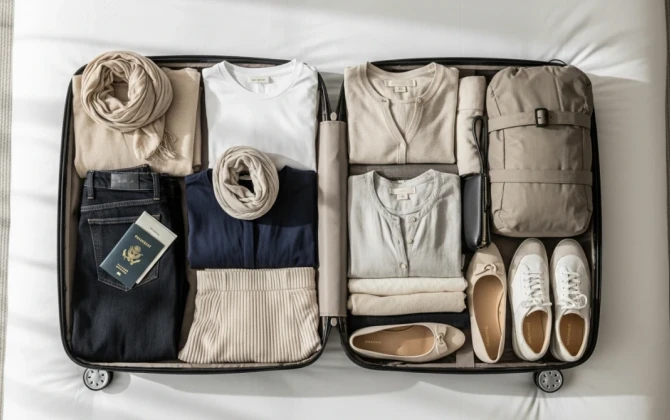 How to Build a Capsule Wardrobe for Travel That Works Anywhere in the World
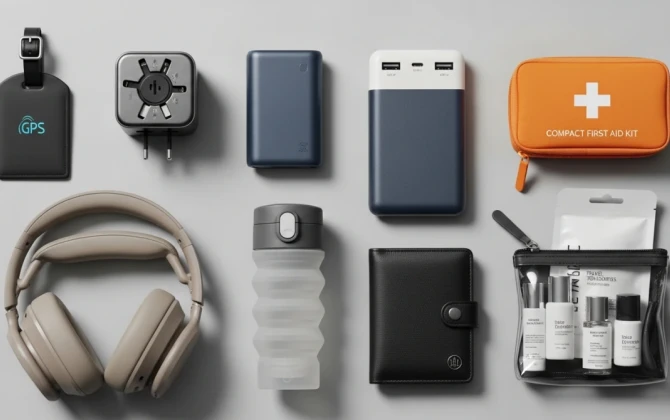 Travel Accessories Worth Packing in 2025: Essentials That Truly Upgrade Every Trip